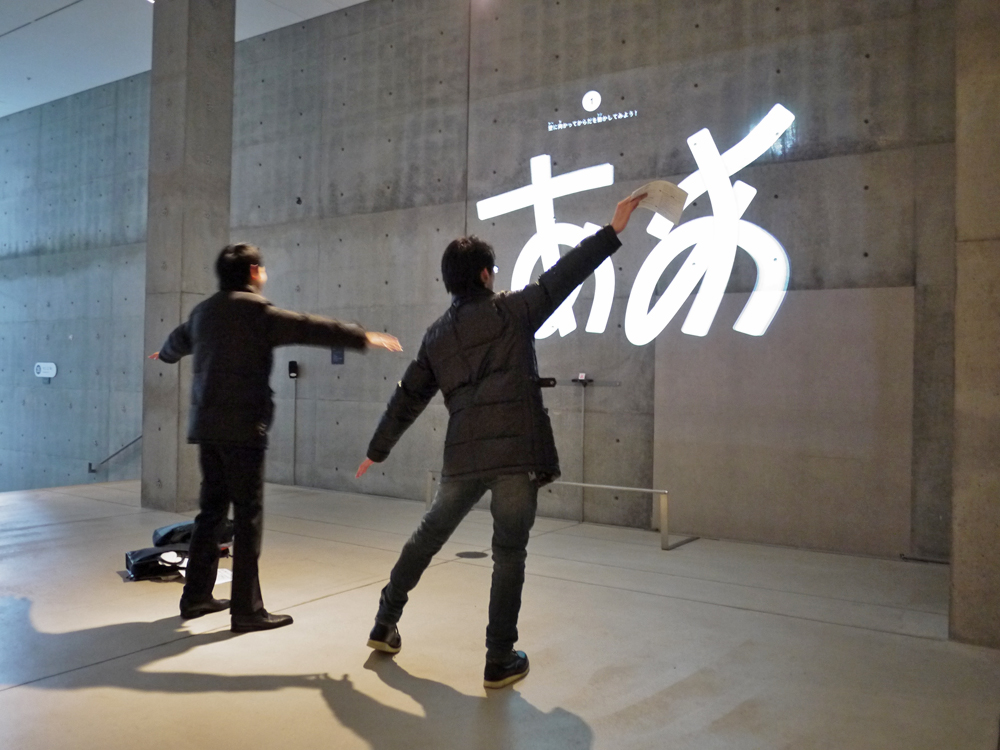
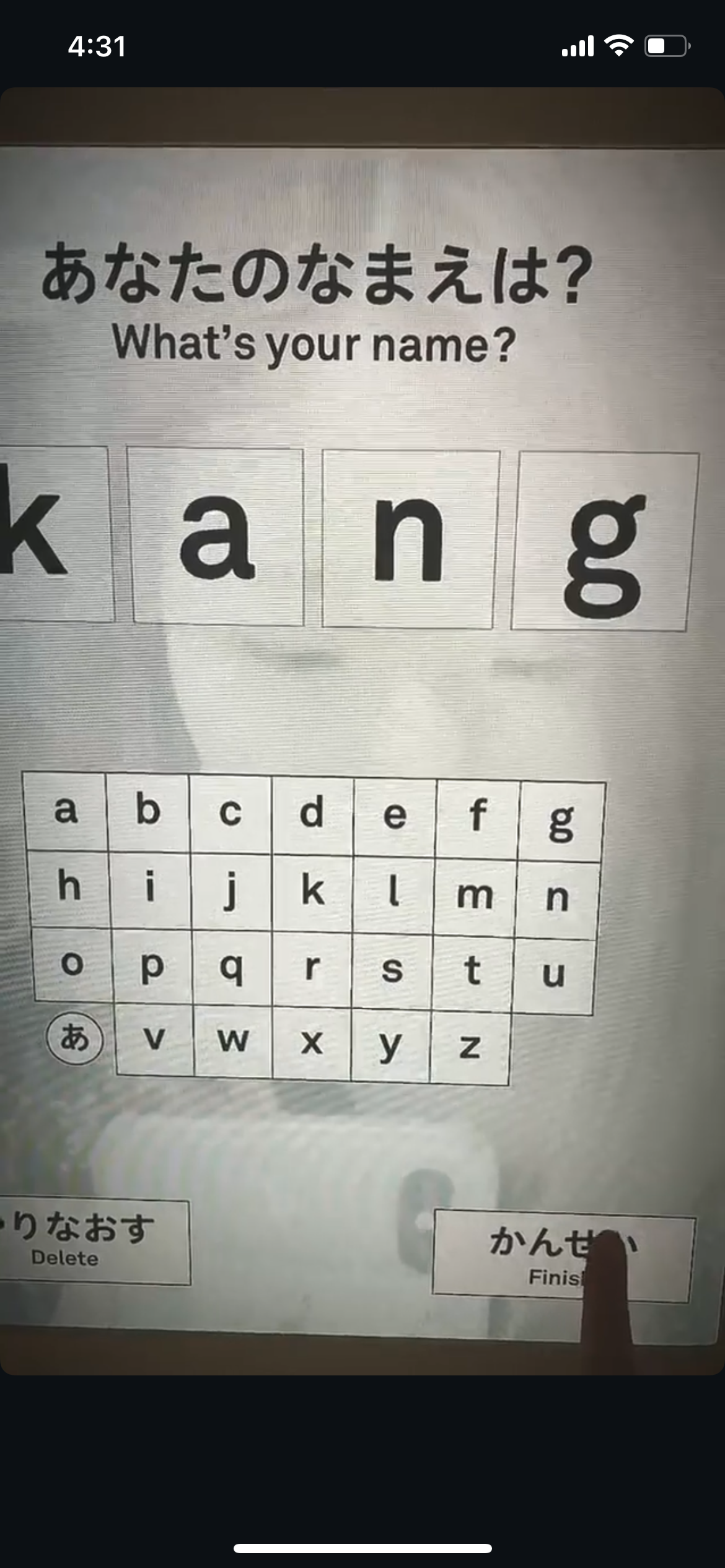
My first interest in computing began at the Design Ah! exhibition I visited in Tokyo in 2019. The show was full of collaborations between minimal graphic design and interaction design. I watched children experiencing technology combined with design in playful ways. One installation, for example, let you type in your name, and it would instantly transform the alphabet letters into a facial expression—almost like an emoji. As a graphic designer, it was fascinating to see people enjoying design through interaction. That experience sparked my curiosity about creating works that people can engage with directly.


Coming from a motion graphics background, I still want to keep the spirit of animation, but this time through coding. I recently saw The River is a Circle by Marina Zurkow at the Whitney Museum, a software-driven animation that visualizes the ecology of the Hudson River. It was inspiring to see how real-time environmental data—such as weather, tides, and marine traffic—could shape an animated artwork. Since we are learning JavaScript, I’m excited to explore how code can drive animation, especially using physics-based motion. I would love to try incorporating data into my own projects, so that the motion not only feels dynamic but also responds to the world outside the screen.
- First Week of School (self-portrait)

Click here to see the ‘First Week of School’
For my self-portrait, I started with a quick drawing on Procreate—a facial expression representing my first week of school (working on assignments but not really knowing what I’m doing). I began by building the hair shape as a base layer. The shape of the face was trickier, since I didn’t want it to look like a simple ellipse, I tried to figure out how to manipulate the shape I sketched. Then, I combined quad, ellipse, and arc functions in a patchwork way, filling in the empty space rather than carefully drawing precise outlines. I would like to update if I figure out better way to create this kind of shape.
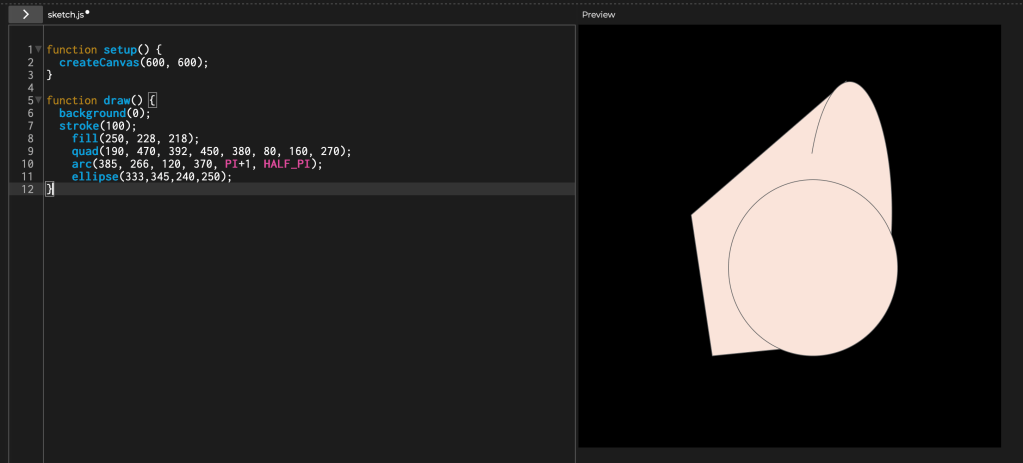
The most confusing part was the arc() function. I don’t fully understand the syntax yet—arc(x, y, w, h, start, stop, [mode], [detail])—especially the start and stop angles. I ended up experimenting with different values until I got shapes that looked right. I used arcs repeatedly to create the eyes, nose, and mouth. While I didn’t run into big errors, it took time and trial-and-error to figure out how to control those arc shapes.
Overall, I enjoyed playing with code even though there were some struggles to get used to coding languages.
 ITP BLOG